One of the poems from Jiří Kolář's 1969 collection Návod k upotřebení lends its title to this joint exhibition of two friends, two Czech visual artists and poets in one – Jiří Kolář and Ladislav Novák.
Their joint exhibition has already been held once at the Slovak National Gallery, in 1997. It returns, then, almost thirty years later to the 'scene of the crime' – different, of course, and in different circumstances, shaped not least by the fact that both artists were still alive when that earlier exhibition took place, whereas today we can only look back on them in memory. Perhaps this fact will not give rise to anti-cultural rebellions...
The exhibition is drawn from two major art collections: the collection of Jan Kukal, a highly regarded collector in Slovakia, and the Czech-German private collection COLLETT Prague / Munich, based in Jirny near Prague. The work of Ladislav Novák is further complemented by a private collection in Novák's beloved Třebíč.
The exhibition at the SNG presents visual artefacts by both artists, whilst not overlooking the fact that both were equally men of letters, and so several of their poems also form part of the display. This is particularly fitting in the case of Jiří Kolář; after all, Kolář entered the Czech cultural scene as an acclaimed poet, only to dissolve his 'poetry', over time and through a certain evolution, into a visual feast.
Curators: Martin Dostál, Vladimír Kordoš
Artworks on display:
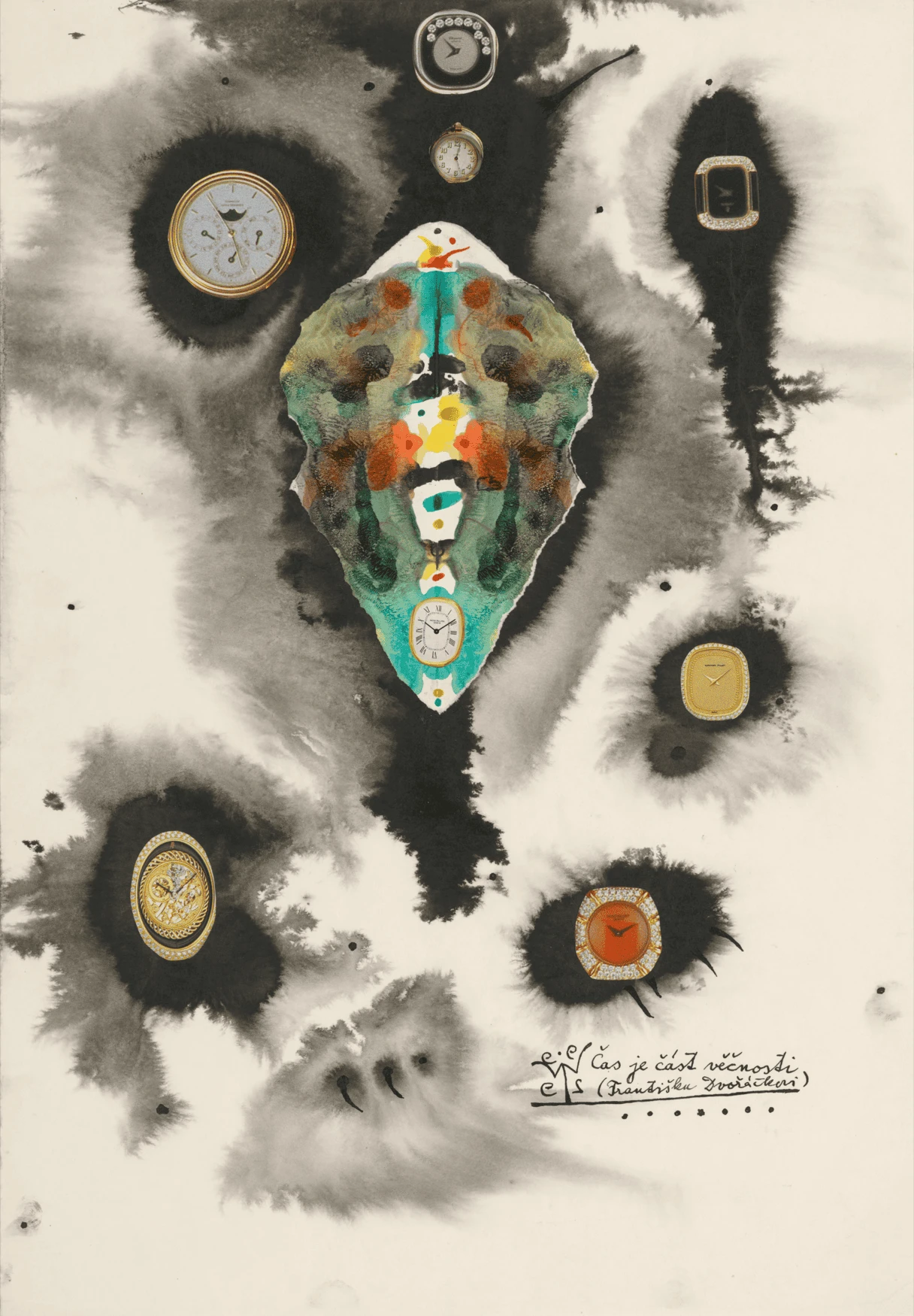
Ladislav Novák: Čas je časť večnosti (1993)
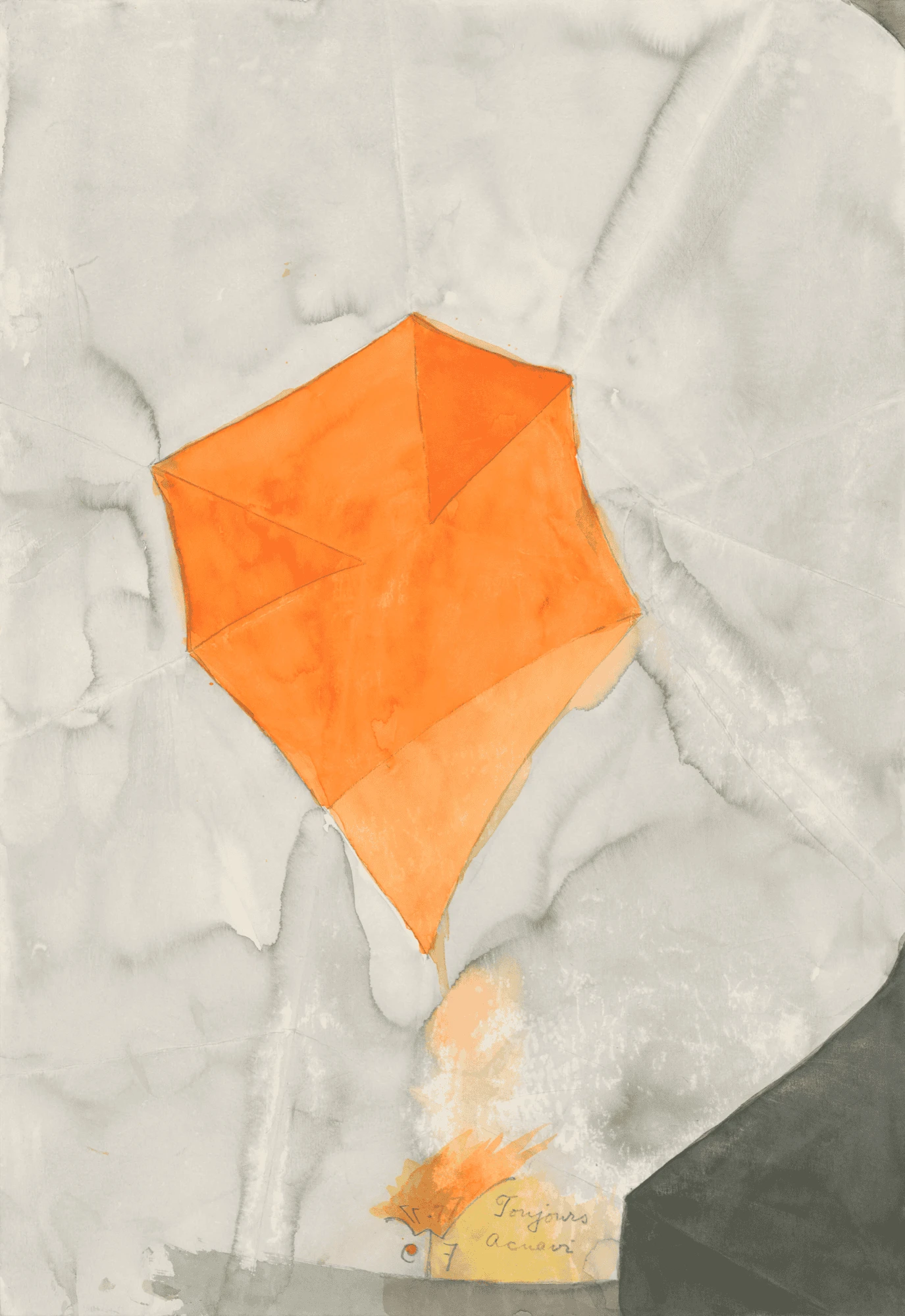
Ladislav Novák: Stále Acnavi (1997)
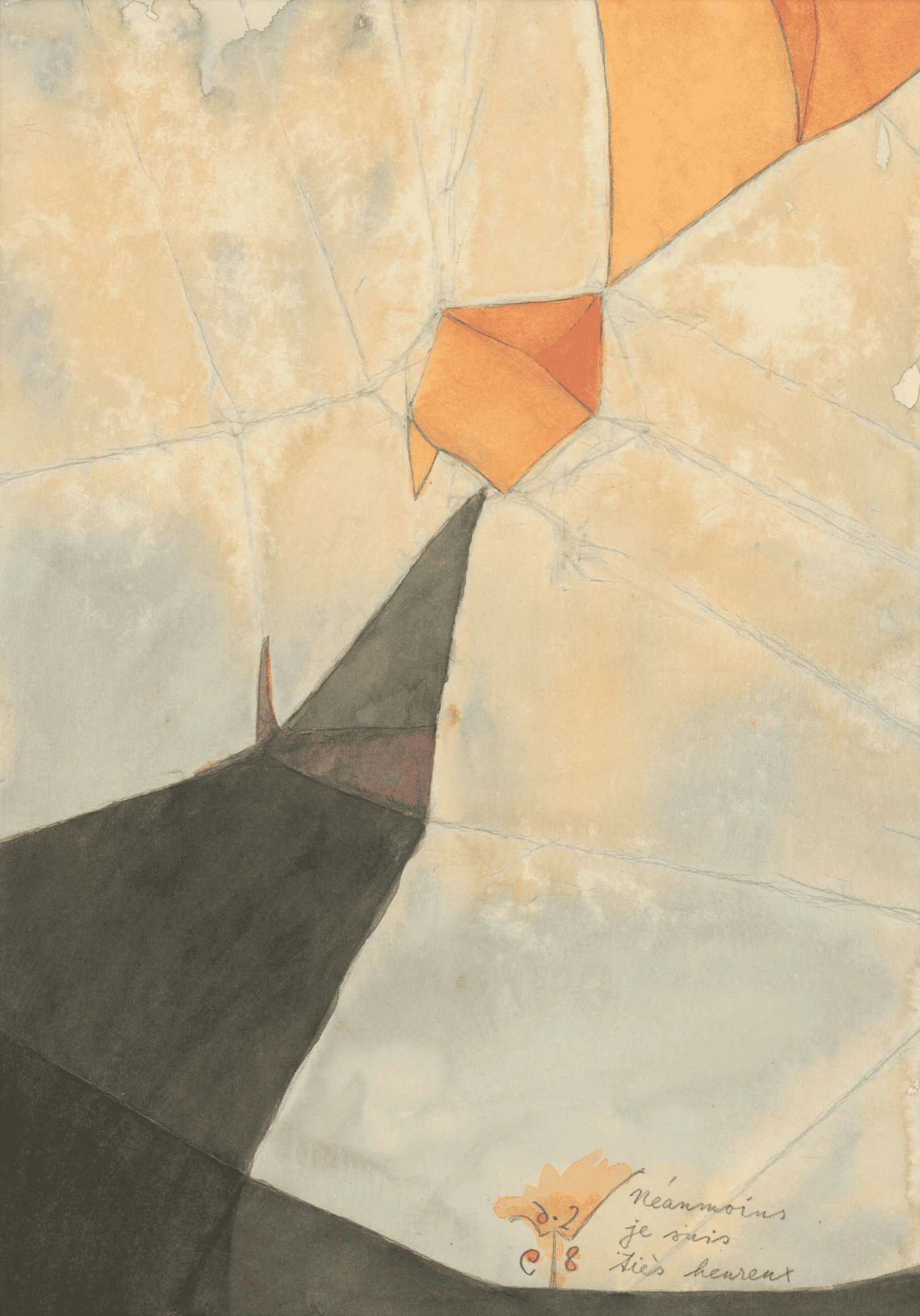
Ladislav Novák: Napriek tomu som veľmi šťastný (1998)
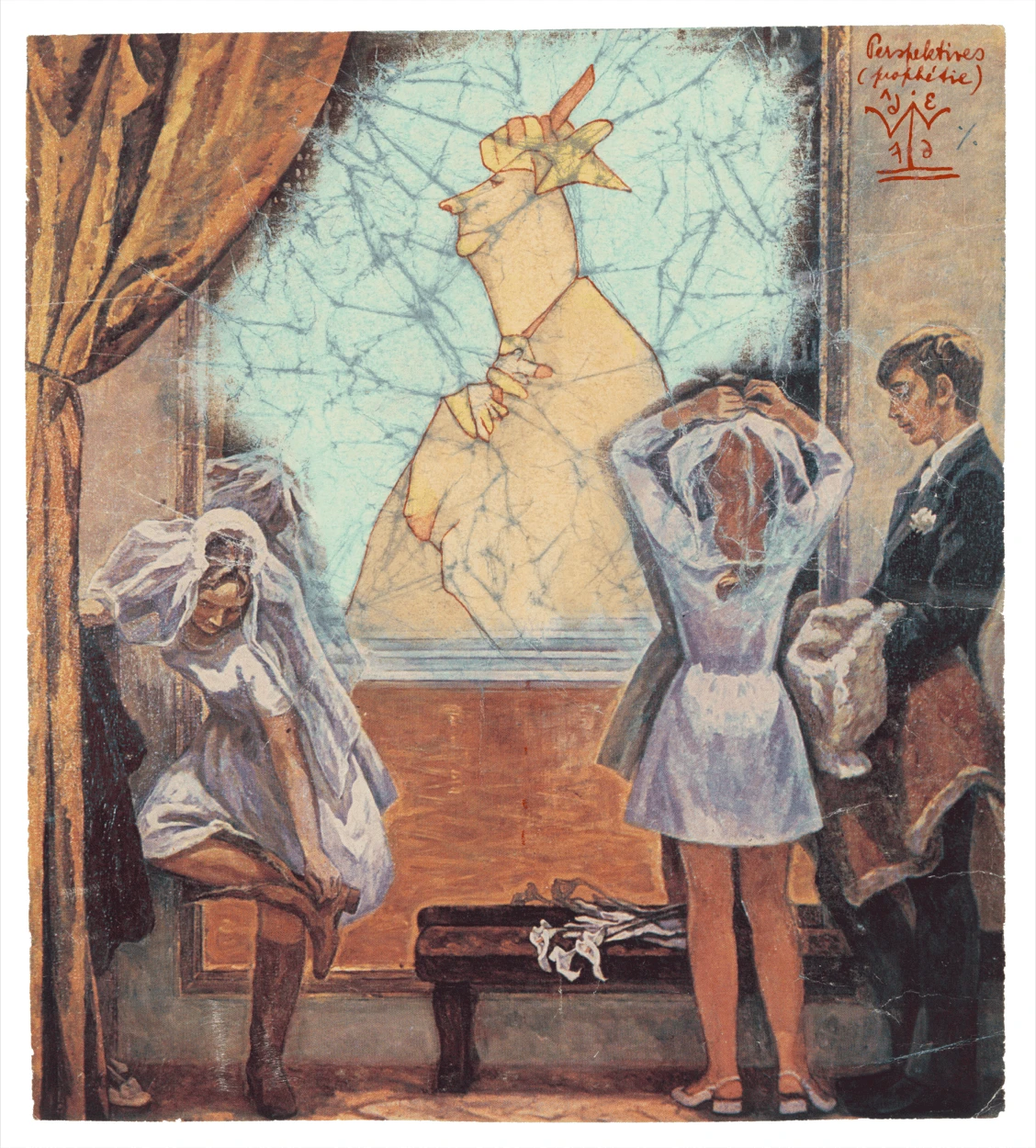
Ladislav Novák: Perspektívy proroctva (1976)
Jiří Kolář
(24 September 1914, Protivín – 11 August 2002, Prague)
A poet of words and a poet of images, and one of the most distinctive cultural phenomena of the Czech and European cultural scene. Despite genuine and far-reaching hardships, his extraordinary civic and cultural engagement remains to this day an example of a positive commitment to art and culture.
We return to his work again and again, whether we perceive it as the sum of a modernist intellectual's spellbinding testimony — one firmly convinced of the purpose of art and cultural life — or as evidence of boundless visual creativity. Kolář's poems are saturated with images, just as his visual work draws on the poetics of words and the poetry of pictures alike. He elevated the technique of collage into the most exquisite visual virtuosity.
Ladislav Novák
(4 August 1925, Turnov – 28 July 1999, Třebíč)
The name of Ladislav Novák belongs not only to the world of poetry but equally to the world of visual art, and within the Central European context it is quite singular. His creative foundations rest not on the pursuit of outward beauty, but on a deep exploration of the relationship between human consciousness and the elusive energy of chaos.
He drew on the principles of surrealist chance above all in his froissages — crumpled sheets of paper in which the individual folds created a random structure that he would then develop further — as well as in his so-called muchlages, veronages, and alchymages. A person profoundly bound to art, he had been publishing poetry since the mid-1940s, and in the 1960s, when his visual work began, and throughout the following decade, he devoted himself equally to actions and texts for happenings.
The city of Třebíč, where he worked for many years, repaid its debt to him after his death by opening the Ladislav Novák Gallery, which has been in operation since 2002. Despite working outside the major artistic centres, he came to be placed within international contexts during his lifetime, particularly in Italy and France; an important companion and advocate was the distinguished Czech art and literary theorist, critic, art historian, and essayist Jindřich Chalupecký.
Full description and more information: SNG.sk.